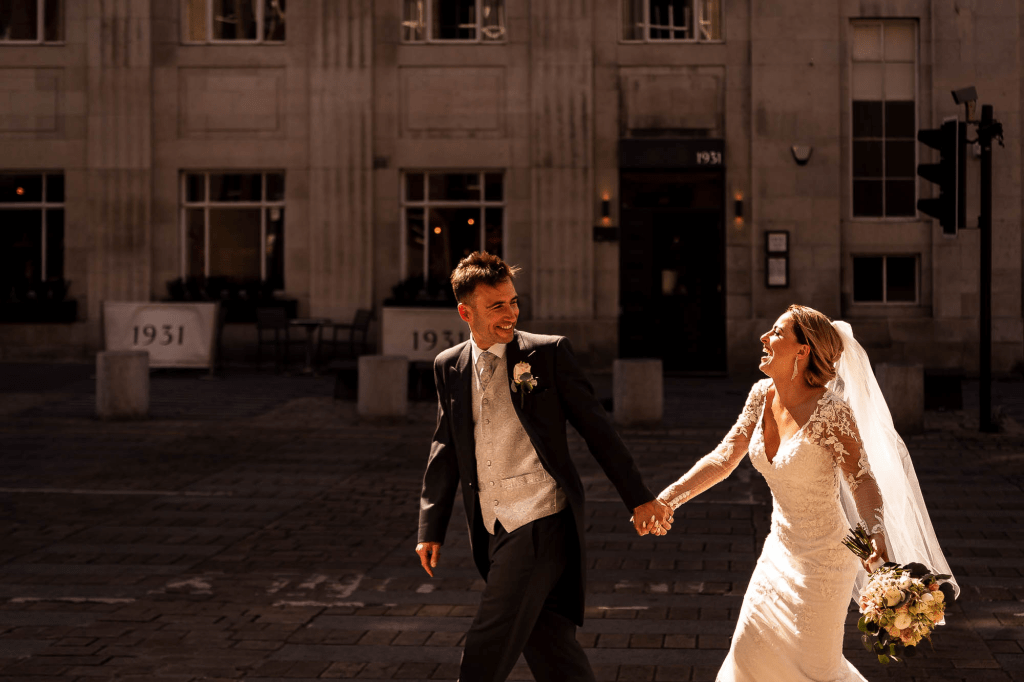
Natural light is a photographer’s best friend, especially when shooting at outdoor venues. Unlike artificial lighting, natural light offers a Check this post beautiful, soft, and flattering glow that enhances skin tones, highlights details, and creates stunning ambiance in photos. However, natural light can also be unpredictable and challenging to control. To make the most of it, photographers must understand how to harness, manipulate, and maximize natural light in outdoor settings.
Whether you’re shooting a wedding, portrait session, or any outdoor event, mastering natural light will elevate your images and give your clients breathtaking memories. In this guide, we’ll explore practical tips and techniques for maximizing natural light at outdoor venues.
Understanding Natural Light: Why It Matters
Before diving into techniques, it’s important to understand why natural light is so valued in photography:
Softness and Warmth: Natural light, especially during the “golden hour,” is warm and diffused, creating flattering portraits.
Dynamic Range: It provides a full range of tones and colors that artificial lights sometimes struggle to replicate.
Mood and Atmosphere: Natural light changes throughout the day, helping photographers craft different moods—from bright and airy to warm and romantic.
However, the quality of natural light varies depending on the time of day, weather conditions, and location, so adapting to these factors is key.
Key Tips to Maximize Natural Light at Outdoor Venues
- Shoot During the Golden Hour
The golden hour—the first hour after sunrise and the last hour before sunset—is the ideal time for outdoor photography. During this time, the sun is low in the sky, producing:
Soft, warm, and directional light
Long, gentle shadows that add depth
Reduced harsh contrasts compared to midday sun
Schedule key portraits and ceremony shots during these hours for the most flattering natural light.
- Avoid Harsh Midday Sun
Midday sun (roughly 10 AM to 4 PM) is harsh and creates strong shadows and blown-out highlights, especially on faces. If you must shoot during this time:
Find shade: Position your subjects under trees, awnings, or any shaded areas to diffuse the light.
Use reflectors: Bounce natural light back onto your subjects to fill shadows and even out exposure.
Use a diffuser: Soften direct sunlight by placing a diffuser between the sun and your subjects.
- Use Reflectors and Diffusers
Reflectors and diffusers are essential tools for manipulating natural light:
Reflectors bounce sunlight onto shadowed areas, filling in dark spots on faces and clothing.
Diffusers soften harsh sunlight, turning it into a gentle, flattering glow.
Invest in a good quality reflector with multiple surfaces (white, silver, gold) and a collapsible diffuser to adjust the light quality quickly on location.
- Position Subjects Relative to the Sun
How you position your subjects relative to the sun drastically changes the look of your photos:
Backlighting: Place the sun behind your subject for a glowing rim light effect. Use a reflector or fill flash to illuminate the face.
Side lighting: Position the sun to the side for dramatic shadows and texture.
Front lighting: The sun directly in front creates flat, even lighting but can sometimes cause squinting—so watch your subject’s comfort.
Experiment with different angles to find the most flattering light.
- Scout the Venue Ahead of Time
Visit the outdoor venue before the event to:
Observe how natural light changes throughout the day
Identify shaded areas, reflective surfaces, and open spaces
Plan your shooting spots and timing accordingly
Knowing where and when the best light will be helps you work more efficiently and creatively on the day.
- Use Natural Elements to Your Advantage
Incorporate natural features like trees, arches, water bodies, and walls to shape and enhance the light:
Trees provide dappled light and shade.
Water reflects light, creating interesting highlights.
Walls can bounce light back onto subjects for natural fill.
Using the environment thoughtfully helps maximize the quality and creativity of your photos.
- Adjust Your Camera Settings for Optimal Exposure
Natural light can change rapidly, so be ready to adjust:
Use manual mode or aperture priority to control exposure.
Monitor your histogram to avoid clipping highlights.
Adjust ISO carefully to maintain image quality in low light.
Use spot metering on the subject’s face to ensure proper exposure.
Being adaptable and attentive to changing light conditions is critical.
- Leverage Cloudy Days
Overcast days provide soft, even lighting that’s great for portraits. Clouds act as a natural diffuser, eliminating harsh shadows and bright spots.
Don’t shy away from shooting on cloudy days—embrace the moodiness and softness to create unique, intimate images.
- Work with Directional Light Indoors Near Windows
If part of the event or portraits takes place indoors but near large windows or open doors, use that natural light as your primary light source. Position subjects close to windows to benefit from soft, directional light.
- Stay Ready to Capture Magic Moments
Natural light conditions can change quickly—golden hour fades, clouds move, and the sun dips behind trees. Stay alert and ready to capture spontaneous moments when the light is perfect.
Bonus: Post-Processing to Enhance Natural Light
Even with the best planning, sometimes natural light needs a little boost in editing:
Increase warmth to enhance golden hour tones.
Adjust shadows and highlights to balance exposure.
Use dodging and burning techniques to emphasize light and shade.
Keep edits natural to maintain the integrity of natural lighting.
Final Thoughts: Embrace and Maximize Natural Light
Mastering natural light at outdoor venues transforms your photography from good to extraordinary. By understanding the sun’s behavior, using tools like reflectors and diffusers, and creatively working with the environment, you can create stunning images filled with warmth, depth, and life.
 Site Title
Leave a comment